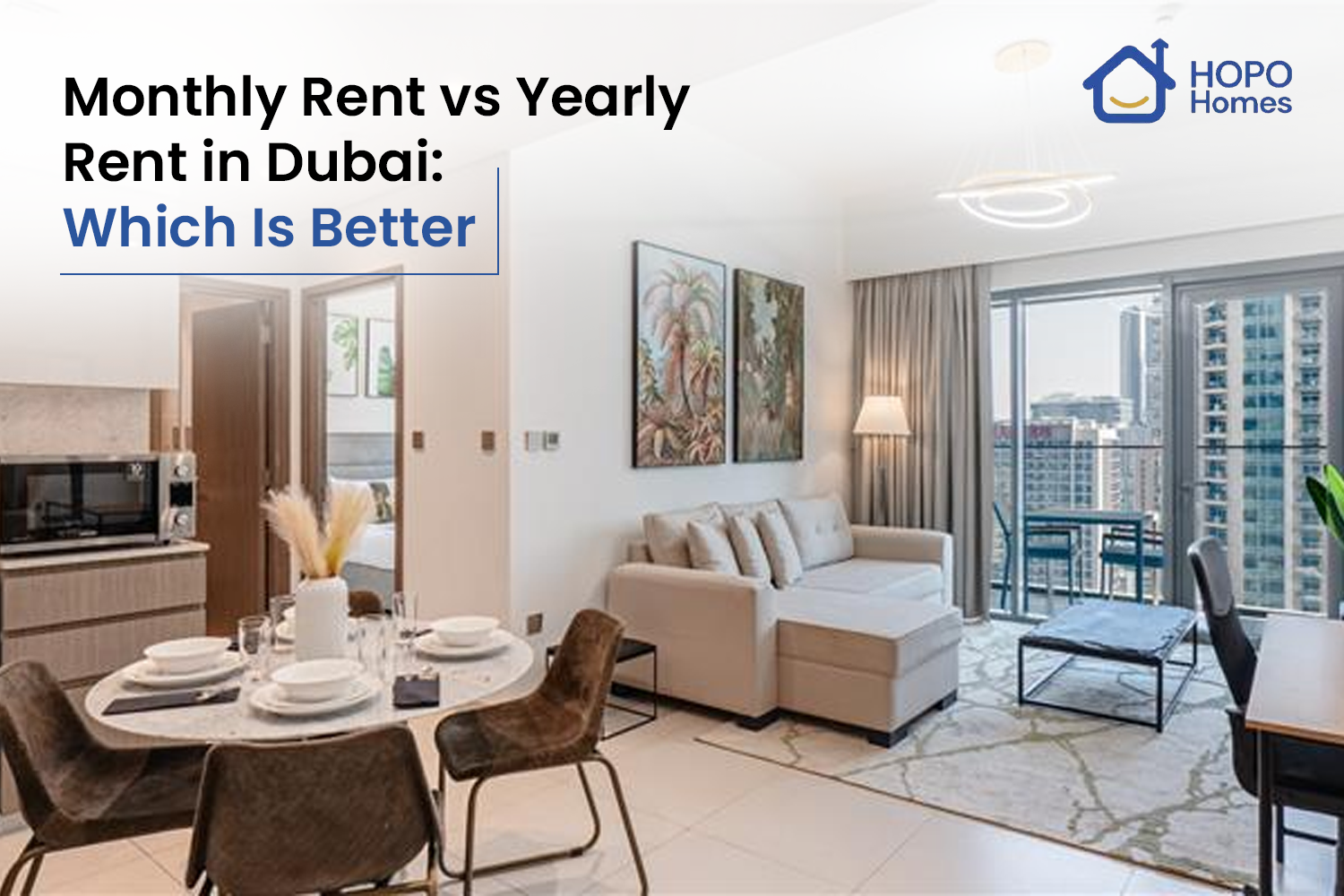
Co-Living vs Renting an Apartment in Dubai: Which Is Better

"Learn how co-living compares with private apartment living in Dubai, from shared amenities and flexible stays to privacy, upfront costs, and independence."
Moving to Dubai is exciting until you start looking for a place to live. You find a furnished room at a reasonable price, then spot a private studio that costs more but gives you your own kitchen and bathroom. Suddenly, choosing a home isn't so simple.
It’s not just about rent, there’s privacy, commute times, house rules and surprise bills too. A single person may like the idea of flat sharing while a couple may hate the lack of personal space.
Before spending your money, it's worth understanding what you actually get with each option.
Co-Living vs Renting an Apartment in Dubai: Which Is Better for Your Money and Daily Life?
Which is better depends on your income, the length of your stay, and your expectations of your home.
Co-living usually means renting a bedroom in a property shared with other residents. You may share the kitchen, lounge, and bathroom.
Renting an apartment gives you the entire place. You decide when to cook, clean, or invite friends over, subject to your tenancy agreement.
Both arrangements have expenses that aren't always obvious in property advertisements.
How Does Co-Living Work in Dubai?
Imagine moving to Dubai for your first job. You don't own furniture, barely know the neighbourhoods, and want to avoid spending thousands of dirhams before receiving your first salary.
A furnished room might suit you.
Some co-living spaces in Dubai include electricity, internet, furniture, and regular cleaning. Others charge separately, so ask before booking.
You'll find shared accommodation advertised in areas such as Al Barsha, Deira, International City, and Jumeirah Lake Towers.
What Makes Co-Living Attractive?
Lower expenses: Sharing a property can reduce your monthly housing costs.
Less furniture shopping: Many rooms already have beds and wardrobes.
Meeting people: Housemates can make settling into a new city easier.
Shorter commitments: Some operators offer monthly arrangements.
But sharing is not always simple. One person may want to cook late at nite, another may need to go to bed early. Kitchen shelves fill up, bathrooms get busy, and visitors can cause disagreements.
Also, check that the property has the necessary permissions for shared housing.
What Is It Like Renting Your Own Apartment?
A private apartment gives you something shared housing cannot fully offer: control over your personal space.
If you’re single, you can opt for a studio apartment in Dubai or a one-bedroom apartment if you’re relocating with your partner.
You are able to set up your furniture however you like, cook whenever you want, and relax without worrying about strangers walking through your living room.
That freedom comes with additional expenses.
Expenses You Should Expect
Security deposit: Landlords normally collect a refundable deposit.
Utility bills: Electricity, water, cooling, and internet may cost extra.
Agency fees: Some rentals involve a property agent's commission.
Furniture: Unfurnished apartments need beds, appliances, and household items.
Moving expenses: Transport and setup costs can increase your initial budget.
For Tenants planning to remain in Dubai for several years, these expenses may be easier to justify.
Co-Living vs Apartment Rental: Which Costs Less?
Suppose you find a furnished room for AED 2,500 monthly, including utilities.
You also find a studio for AED 4,000, excluding bills. That's AED 1,500 more before electricity, internet, and other charges.
These are example prices, not current rental quotations.
The studio could still be worth paying for if you work from home, need privacy, or dislike sharing facilities.
Don't forget transport costs either. Affordable accommodation in Dubai loses some appeal when you spend heavily on taxis every morning.
Which Dubai Neighbourhood Should You Consider?
Your workplace should influence where you search.
People working around Downtown Dubai may explore Business Bay, while those employed near Dubai Internet City might consider Al Barsha or nearby Metro-connected neighbourhoods.
International City and Deira are also popular with those looking for cheap rental places.
Don’t just choose the cheapest listing; head to the neighborhood after work. Check supermarket access, parking, building condition, and evening noise.
What Should Tenants and Property Owners Check?
For Tenants, inspect the actual room or apartment before transferring money. Ask who handles repairs, what happens if you leave early, and whether bills are included.
For Owners, shared housing involves occupancy limits, permissions, and additional management responsibilities. Renting an entire apartment may be simpler, depending on the property.
Get every important agreement in writing.
Search for Your Next Home with Hopo Homes
Still deciding between shared accommodation and apartments for rent in Dubai? Hopo Homes offers rental listings to explore according to your budget and preferred location.
Browse Properties Compare available homes, see their features and arrange viewings before you decide.
Frequently Asked Questions
1. Is co-living cheaper than renting an apartment in Dubai?
Usually, yes. Shared facilities and included bills can reduce housing expenses.
2. Is co-living suitable for couples?
Some properties accept couples, but private apartments offer greater privacy.
3. Can I rent an apartment monthly in Dubai?
Yes. Monthly furnished apartment rentals are available in several neighbourhoods.
4. Is shared accommodation legal in Dubai?
It can be legal when the arrangement meets applicable permissions and shared housing regulations.
5. Which option works better for long-term tenants?
Private apartments often suit long-term tenants who want more space and independence.